

Dr. Angéla Imre (GYMRI) visited Malaga to build international professional relationships for the faculty at one of Spain's southernmost universities. Report on the trip.
Sunshine, beaches, winter, and studying—it may sound strange at first, but in Malaga, it's completely natural. When I arrived in the city at the end of November/beginning of December, it was hard to believe that just a few days earlier I had been walking around Budapest in a thick coat. The pleasant warmth, the lights, and the proximity of the sea open up not only the city but also one's thoughts. In this special atmosphere, I spent a few professionally and personally defining days at the University of Malaga, where I was hosted by Marina Calleja Reina, a lecturer in the Department of Psychology and Speech Therapy.
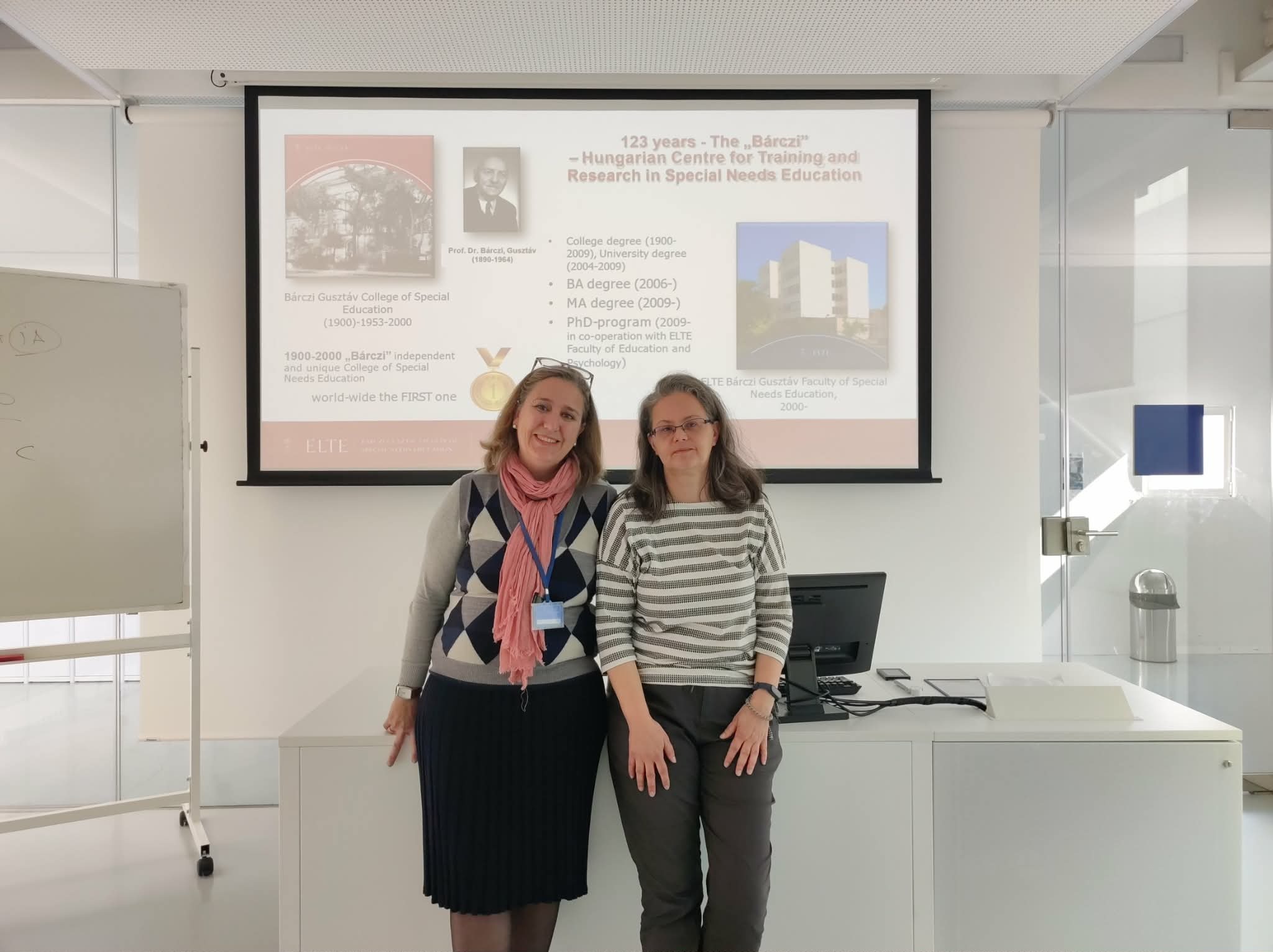
The story of our relationship is almost like a fairy tale: Marina approached our university years ago with the idea of an Erasmus visit, which did not materialize at the time for various reasons. When her letter later came to my attention, almost by accident, it quickly became clear that our shared professional interests, particularly in the field of augmentative and alternative communication (AAC), could provide an excellent basis for longer-term cooperation. This marked the beginning of a process that ultimately culminated in the visit to Malaga in December.
In Malaga, I was able to gain insight into the work of the university's Department of Psychology and Speech Therapy. Here, speech therapy training is primarily linked to the clinical field: graduates can find employment in healthcare, while speech therapists working in educational institutions, although at the same university, obtain their qualifications through a different training path. It is particularly interesting that students can also obtain a double degree in psychology and speech therapy. The high level of interest in the training is reflected in the exceptionally high employment rate of graduates.
In addition to topics related to healthcare, the course units also cover a number of topics—such as early development and dyscalculia—that are more closely linked to the field of education in Hungary. These differences have sparked a particularly exciting professional dialogue.
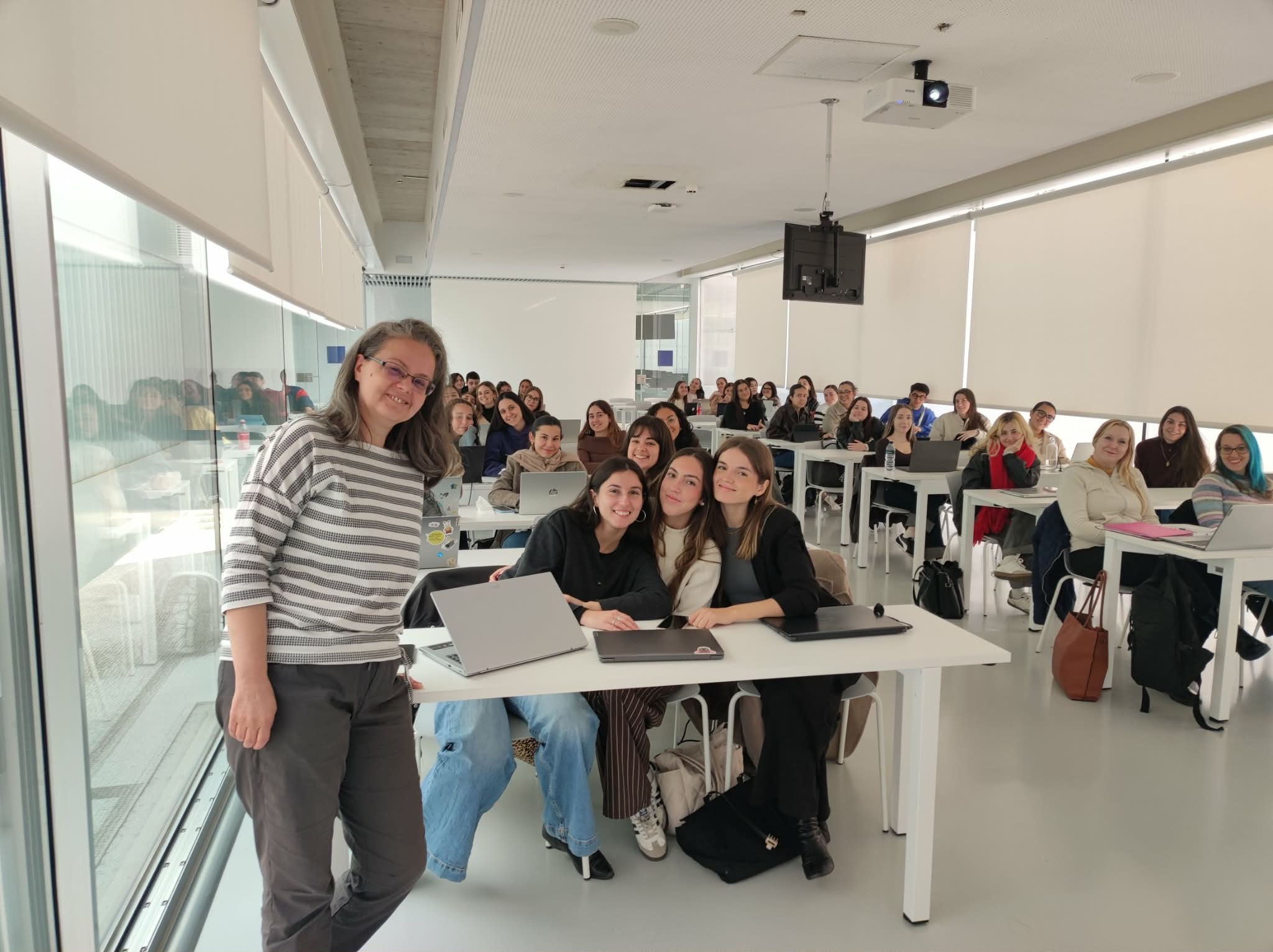
As part of the university program, I participated in a practical class related to AAC, where students learned about hand signals, and then I also had the opportunity to present our own university and the specializations in special education available there. Although it is not my strongest foreign language, I thought that since I was in Spain, I would hold the class in Spanish. The language environment was particularly important here: English is the working language in the university world, but the use of Spanish resulted in noticeably richer conversations. The students were really active and asked a lot of questions. They were very surprised that our speech therapists can also work in schools. They were most interested in clinical work and the protocols used with patients, but they also wanted to know more about the AAK training we offer.
We also got to see some practical work. At a rehabilitation center, I was able to observe some of the characteristics of caring for patients with acquired brain damage, and then we visited the Down Málaga center, which was created on the initiative of parents and is now a public benefit organization. This institution is inspiring not only professionally, but also in its approach: the emphasis is on cooperation, inclusion, and real support in everyday life.
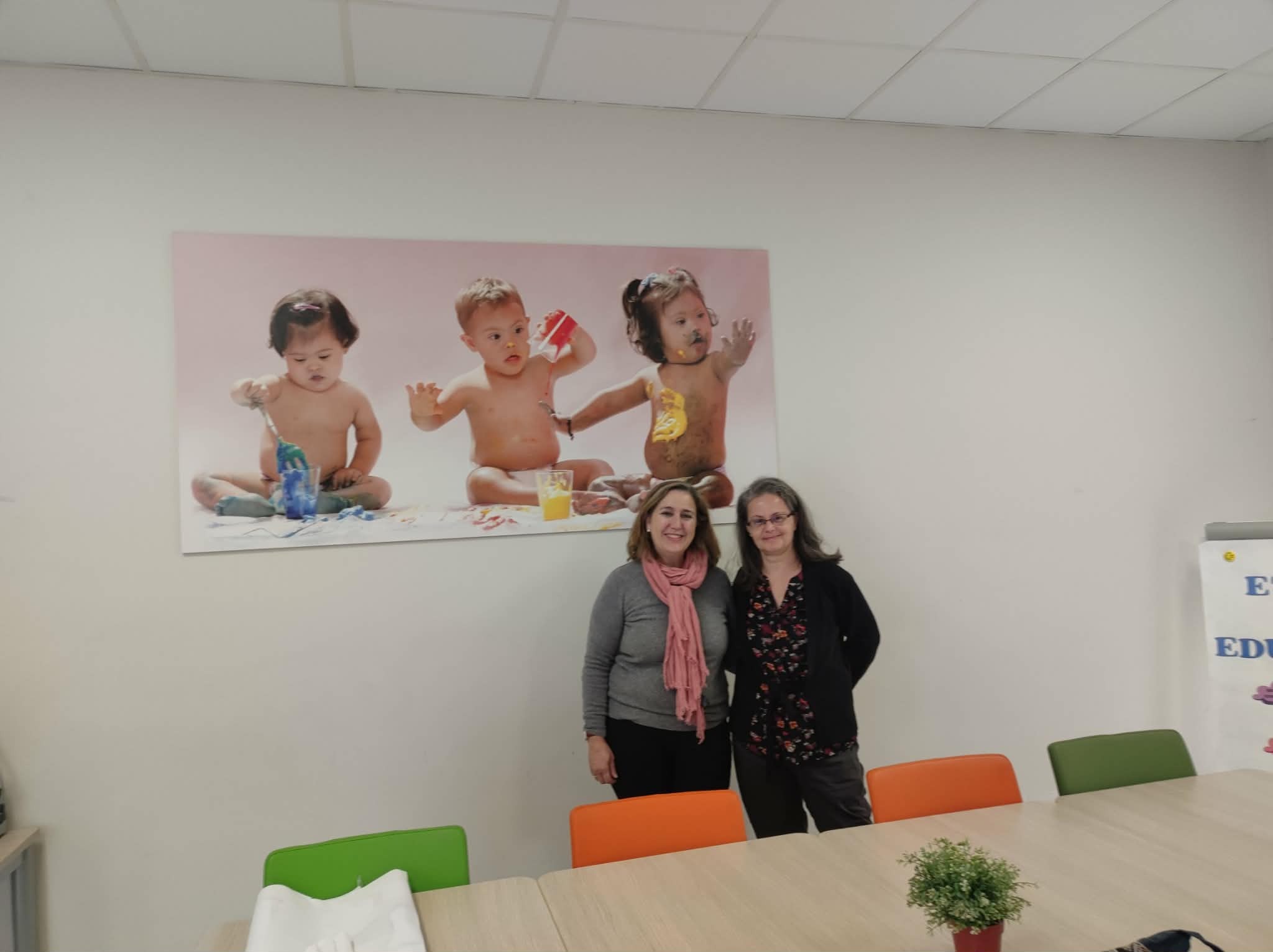
However, one of the greatest values of the visit was undoubtedly the human connection. Marina welcomed me very warmly from the very first day: she showed me around the city, and we talked a lot during our long walks and coffee breaks – about our profession, education, students, and future plans. It was particularly exciting to learn that Marina also teaches at the university's Academy for Seniors, where she focuses on memory function and development. This opened up new points of connection and raised countless further questions. It was a great experience that our conversations increasingly took place in Spanish, which brought us closer to the local environment not only linguistically but also culturally.
On my way home, I was certain that this trip was not only a successful professional visit but also the first step in a long-term, personally inspiring collaboration. And although it was hard to leave the December sunshine behind, it was good to know that we would continue our joint thinking in Budapest in January.