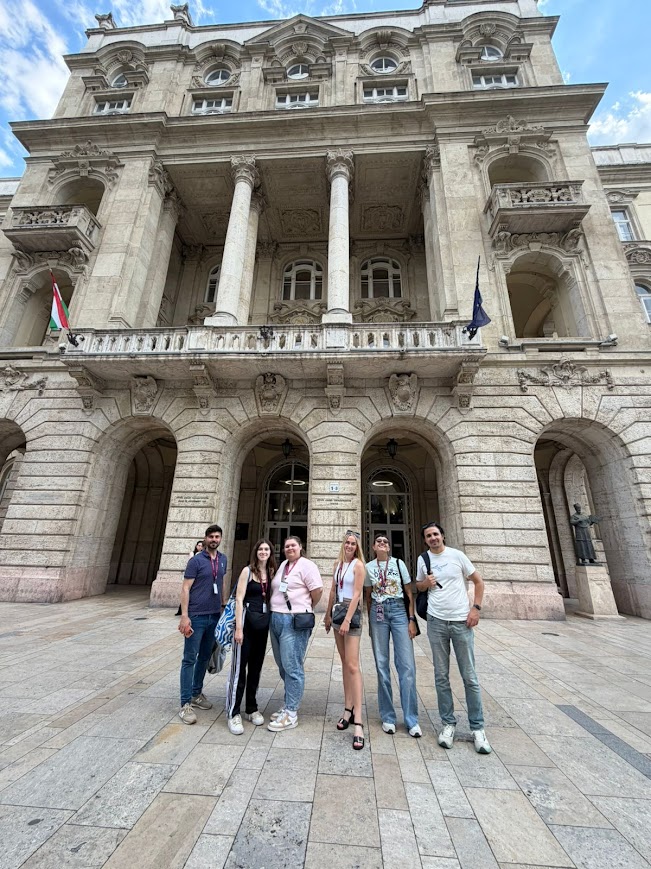
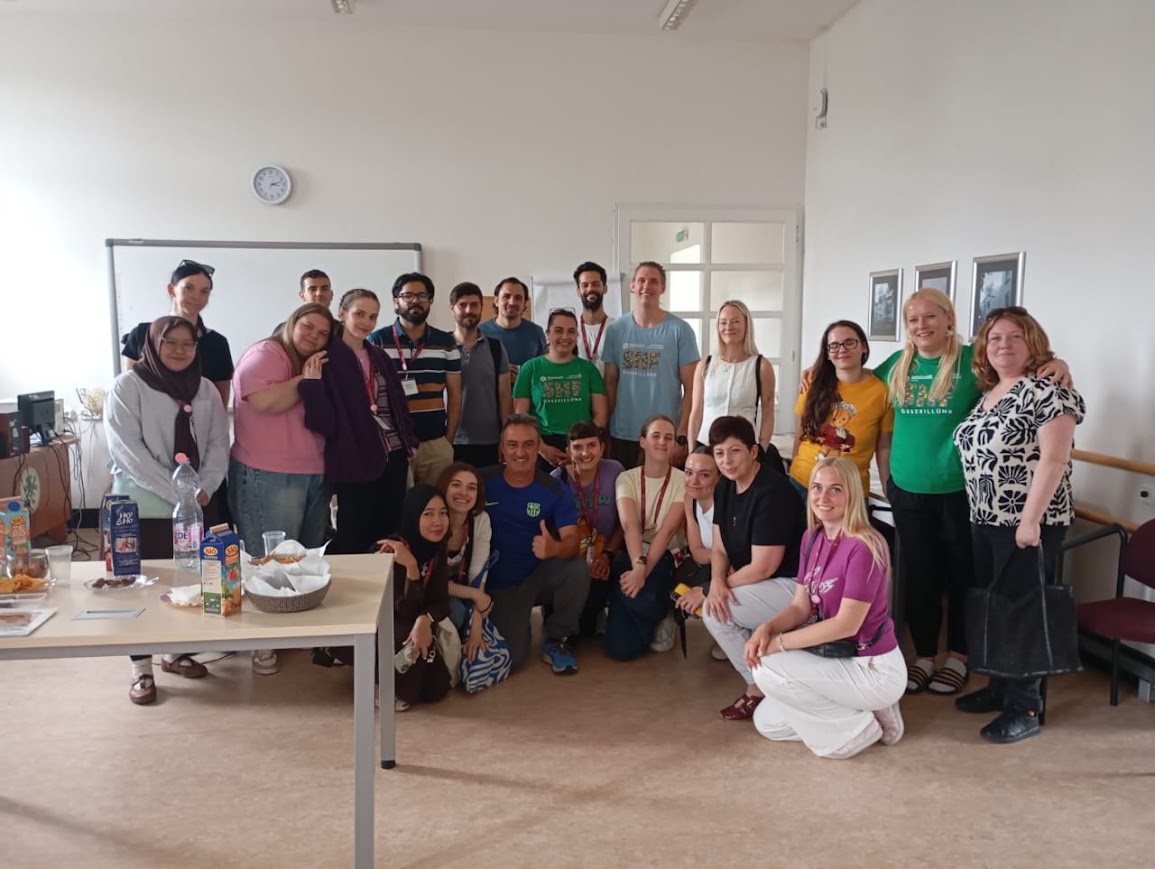
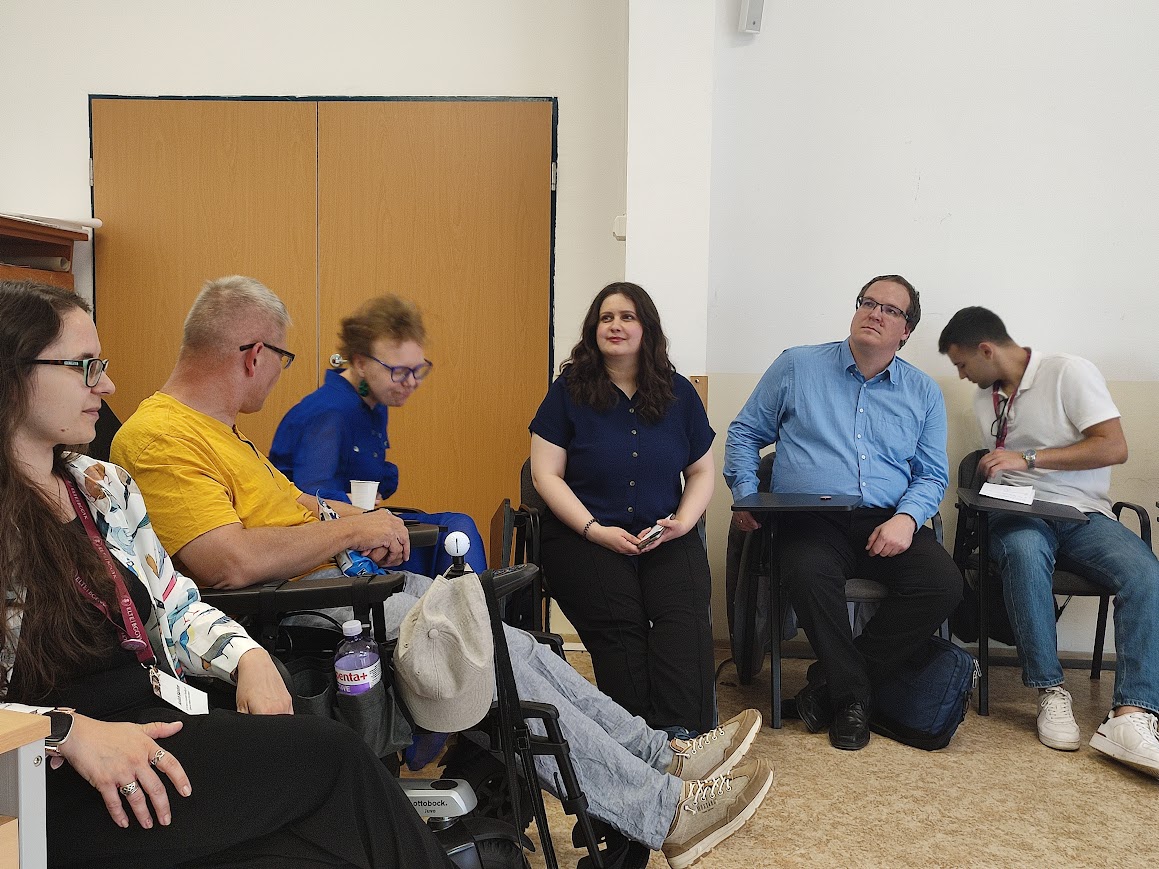
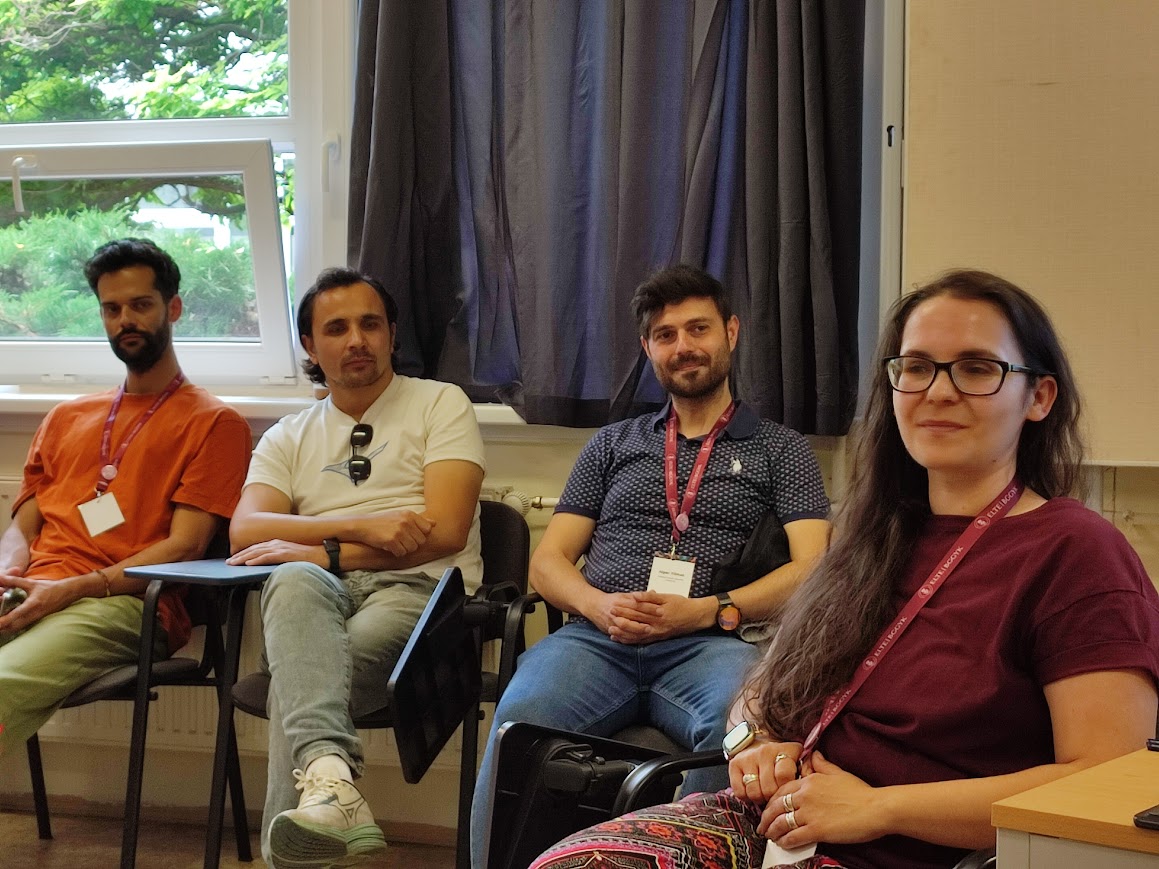
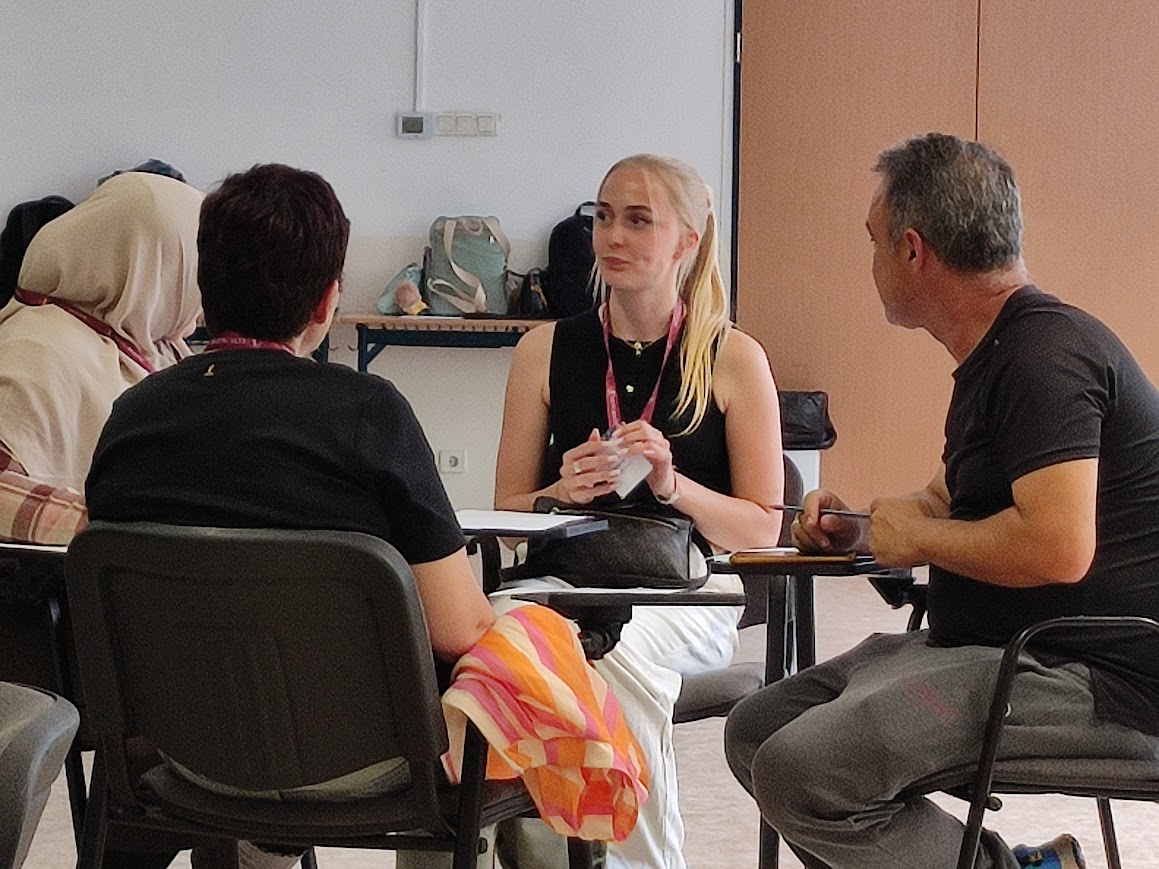
The InDi Lab – Innovation & Diversity Laboratory (hereinafter: InDi Lab) Erasmus+ Blended Intensive Program is an initiative carried out through international collaboration, focusing on diversity, social innovation, and inclusion. The program aims to bring together participants from different countries and professional fields to collectively explore the possibilities of an inclusive society while developing their professional, collaborative, and intercultural competencies.
The 2026 InDi Lab BIP consists of two virtual phases and one in-person phase. Participants familiarized themselves with the topics and got to know one another during the first online session on May 19, and then worked together from June 1 to 5 as part of an intensive, multi-day in-person program. The collaborative reflection within the BIP framework will conclude during the second virtual session on June 25.
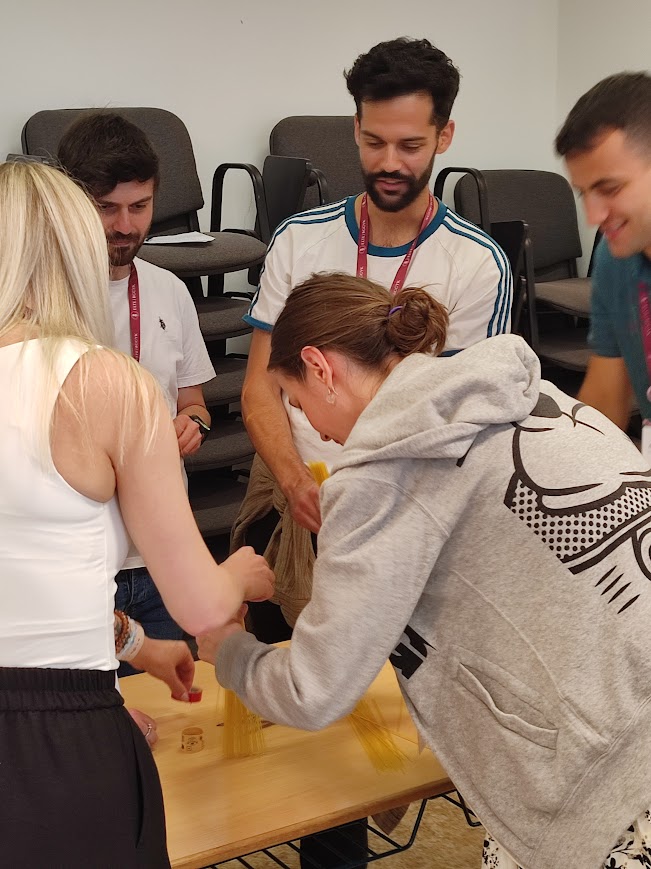
One of the program’s most important features was that inclusion and meaningful participation were not merely topics of discussion but also formed the basis of the organization and pedagogical methodology. An environment was consciously created that took into account the participants’ diverse needs and learning styles. The schedule was tailored to human needs, with opportunities for rest and informal interaction provided throughout the program. During the activities, participants could choose between active participation and the role of an observer; in addition, a space was available for quiet reflection and recharging.

Participants from Estonia (Tallinn University), Greece (University of Crete), the Netherlands (Hogeschool Utrecht University), Indonesia (Universitas Pendidikan Indonesia and Universitas Negeri Jakarta), Italy (Università di Pisa and Università Giustino Fortunato), Spain (University of Cádiz), and Turkey (Hatay Mustafa Kemal University and Kütahya Health Sciences University).
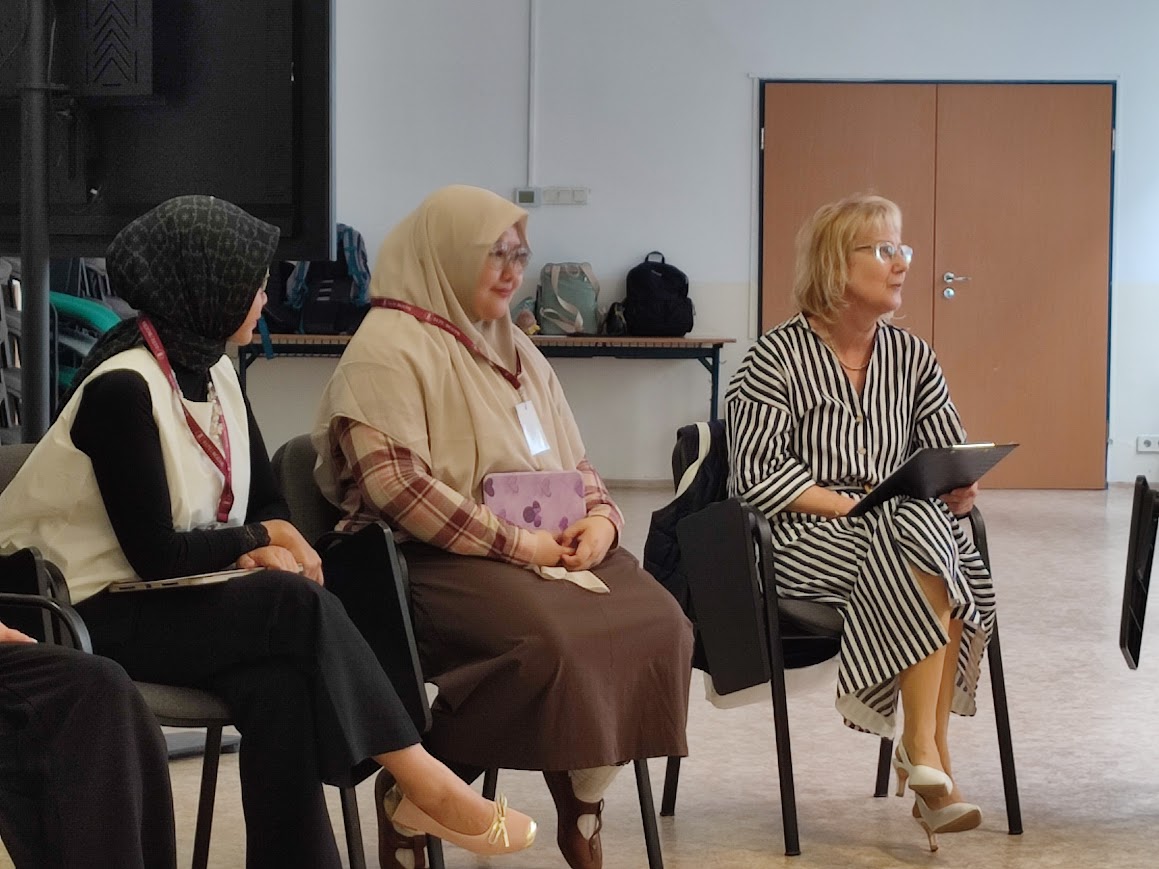
Participants were introduced to various aspects of the practical implementation of inclusion with the assistance of Dr. Ágnes Sarolta Fazekas-Vinkovits, Dr. habil. Jácint Farkas, Prof. István Hoffman, and Dr. Emese Zagyi. To our great delight, interactive workshops led by Prof. Andrea Erdélyi (Carl von Ossietzky University of Oldenburg) and Dr. Lajos Aáry-Tamás (Commissioner for Educational Rights) enriched the program with topics on communication and law.

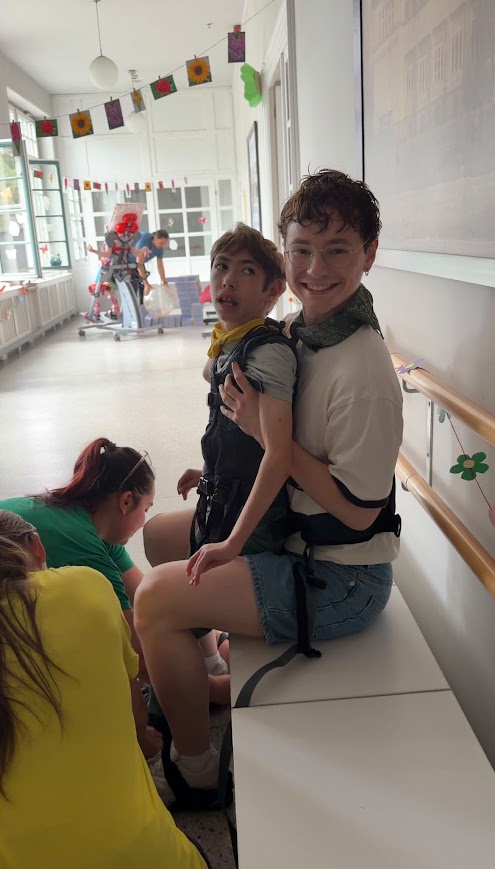
Particularly memorable was our visit to the Kindergarten, Elementary School, High School, Boarding School, and the EGYMI School for Special Education, where we gained insight into the daily routines of educating and teaching children with high support needs with the help of Orsolya Tóth, the head of the institution, and her colleagues. Since a significant portion of the program participants did not have a background in special education, a particularly valuable interdisciplinary dialogue emerged based on different perspectives.
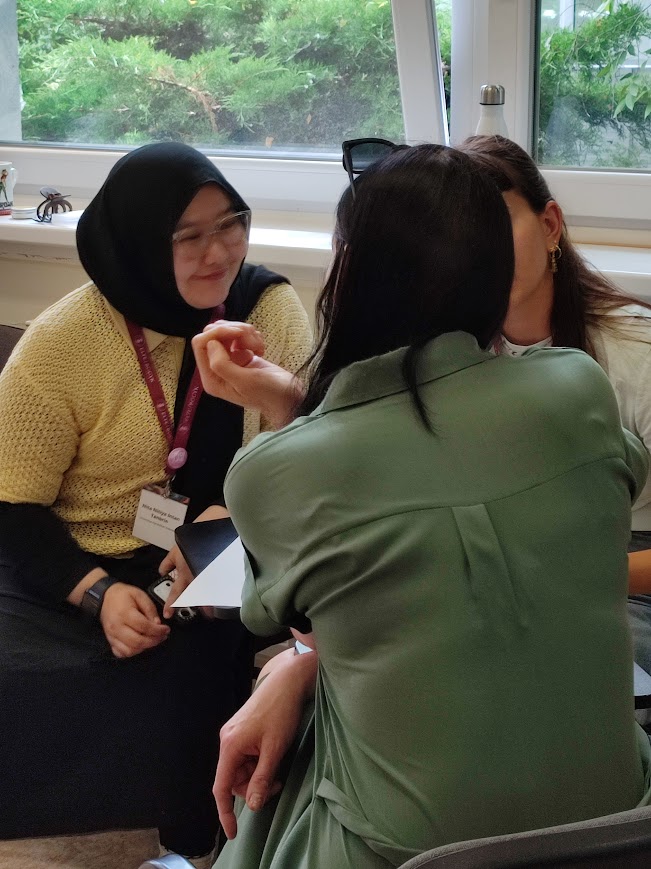
The InDi Lab also provided an opportunity for participants to learn about best practices in each other’s countries and institutions, as well as to collaborate on ways to promote the social participation of people with disabilities. Cooperation, creative problem-solving, and social responsibility were prominent themes throughout the workshops, joint projects, and professional discussions.
The program’s main organizers, Dr. habil. Anikó Sándor, Gréta Kövecses, and Dr. Csilla Cserti-Szauer, would like to take this opportunity to thank all colleagues whose work contributed to the program’s successful implementation.